The “Death House” PDF is a classic dungeon crawl module, renowned for its challenging encounters and eerie atmosphere, drawing players into a terrifying haunted experience․
This module, alongside real-world haunted locations, taps into a deep-seated fascination with the macabre and the supernatural, inspiring countless horror stories․
Exploring both fictional and genuine haunted sites offers a unique blend of thrilling adventure and psychological exploration, captivating enthusiasts of the horror genre․
Overview of the “Death House” Module
The “Death House”, a module designed for low-level characters, presents a deceptively simple premise: investigate a seemingly abandoned house․ However, this dwelling is far from empty, brimming with spectral residents and lurking dangers․ The module’s structure encourages exploration, with each room revealing a piece of the house’s tragic history and escalating the threat level․
Players will encounter animated armor, a testament to the house’s violent past, and the mournful ghost of a children’s nurse, a tragic figure bound to the location․ The module is strategically designed with the expectation that direct confrontation in the basement’s final room is unwise; escape is paramount․
A shambling mound poses a significant threat, potentially leading to a Total Party Kill (TPK) for unprepared adventurers․ The ghosts of dead children are central to the narrative, influencing events and adding layers of complexity to the haunting․ It’s a classic, challenging, and memorable dungeon experience․
The Popularity of Haunted House Themes in Horror
Haunted house themes consistently dominate the horror genre, resonating with audiences due to their primal fears and psychological impact․ The confined spaces, unsettling atmosphere, and potential for unseen horrors create a uniquely terrifying experience, mirroring anxieties about home, safety, and the unknown․
The allure extends beyond fictional narratives, as evidenced by the popularity of haunted house attractions, particularly around Halloween and Day of the Dead celebrations․ These events capitalize on our fascination with the macabre, offering controlled environments to confront our fears․
The “Death House” PDF taps into this enduring appeal, providing a framework for a classic haunted house adventure․ Real-life cases, like the Amityville Horror, further fuel this fascination, blurring the lines between fiction and reality and solidifying the haunted house as a cornerstone of horror storytelling․
Historical Inspirations for the “Death House”
The “Death House” draws inspiration from infamous real-life locations, like the Amityville Horror house and the “House of Death” in NYC, fueling its terrifying narrative․
The Amityville Horror House: A Real-Life Case Study
The Amityville Horror House, situated in Long Island, New York, stands as a chilling example of a residence steeped in tragedy and alleged paranormal activity․ In December 1974, Ronald DeFeo Jr․ committed the horrific murders of his parents and four siblings within the house, claiming he acted under the influence of voices․
Shortly after, the Lutz family purchased the property, only to report experiencing terrifying phenomena – unexplained noises, cold spots, and unsettling apparitions․ Their experiences, documented in the book and subsequent film adaptations, cemented the house’s reputation as one of America’s most haunted locations․
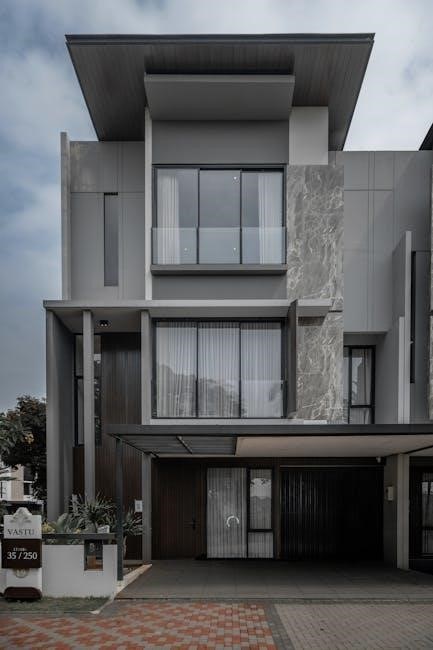
The case sparked intense debate, with skeptics questioning the Lutz’s claims, while believers pointed to the house’s dark history as evidence of genuine paranormal occurrences․ Regardless of interpretation, the Amityville Horror House profoundly impacted popular culture, becoming a cornerstone of haunted house lore and influencing countless horror narratives, potentially including elements within the “Death House” PDF․
The DeFeo Murders and Their Impact on Popular Culture
The brutal 1974 DeFeo family murders, committed by Ronald DeFeo Jr․, transcended the realm of true crime to become a cultural phenomenon, deeply influencing the horror genre․ DeFeo’s claim of hearing voices compelling him to kill his family fueled speculation about demonic influence and paranormal forces within the Amityville house․
This narrative was popularized by Jay Anson’s book, The Amityville Horror, and subsequent film adaptations, which sensationalized the Lutz family’s alleged experiences․ The story tapped into widespread anxieties about suburban safety and the potential for evil lurking beneath the surface of everyday life․

The case’s enduring appeal lies in its unsettling ambiguity and the chilling possibility of a truly haunted dwelling․ The DeFeo murders, and the subsequent Amityville narrative, undoubtedly contributed to the prevalence of haunted house tropes, potentially inspiring the dark and terrifying atmosphere found within the “Death House” PDF and similar horror modules․
The “House of Death” in Greenwich Village, NYC
Located in Greenwich Village, NYC, the infamous “House of Death” is a beautiful brownstone steeped in a dark and unsettling history, rumored to be haunted by over twenty ghosts․ Its reputation precedes it, attracting paranormal investigators and thrill-seekers alike, drawn to tales of unexplained phenomena․
Stories surrounding the house include accounts of a mysterious gentleman, and other spectral residents, contributing to its chilling aura․ The building’s past, coupled with numerous reported paranormal occurrences, has solidified its place as one of New York City’s most haunted locations․
The unsettling atmosphere of the “House of Death” mirrors the oppressive dread found within the “Death House” PDF, showcasing how real-world locations can inspire fictional horror settings․ Both locations evoke a sense of unease and the feeling of being watched, tapping into primal fears of the unknown․
Reported Paranormal Activity in the NYC “House of Death”
Numerous accounts detail unsettling paranormal activity within the Greenwich Village “House of Death․” Residents and visitors have reported experiencing cold spots, disembodied voices, and the distinct sensation of being watched – phenomena mirroring the eerie encounters within the “Death House” PDF․
Stories include sightings of shadowy figures, objects moving on their own, and unexplained noises, contributing to the building’s terrifying reputation․ These experiences fuel speculation about the house’s spectral inhabitants and their lingering presence․
The intensity of the reported activity parallels the escalating dread experienced by adventurers navigating the “Death House” module․ Both settings demonstrate how a history of tragedy and unexplained events can create a potent atmosphere of fear and supernatural energy, captivating those drawn to the paranormal․
Encounters Within the “Death House” PDF
The “Death House” presents harrowing encounters, including animated armor, a tragic children’s nurse ghost, and spectral children, demanding strategic thinking from players․
These challenges test character abilities and create a truly immersive, terrifying dungeon experience․
Animated Armor: A Common Dungeon Encounter
Animated armor frequently appears in dungeon settings, serving as a classic and formidable obstacle for adventurers within the “Death House” PDF and beyond․ These constructs, typically remnants of fallen warriors or guardians, are magically animated to defend specific locations or treasures․
Within the “Death House,” the animated armor presents a significant threat, particularly to lower-level characters lacking the necessary strength or magical abilities to overcome its defenses․ The module’s design emphasizes strategic combat, requiring players to exploit weaknesses in the armor’s construction or utilize clever tactics to succeed․
Unlike living opponents, animated armor is often immune to certain conditions, such as poison or charm effects, demanding a different approach to combat․ Successfully defeating animated armor requires careful planning, coordinated teamwork, and a bit of luck, making it a memorable and challenging encounter for any adventuring party․
The Ghost of the Children’s Nurse: A Tragic Figure
The ghost of the children’s nurse within the “Death House” PDF embodies a poignant and tragic element of the module’s haunting narrative․ This spectral figure represents a past caretaker, forever bound to the house by unresolved grief and a lingering sense of duty towards the deceased children․
Her presence isn’t necessarily malevolent, but rather sorrowful and unsettling, adding a layer of emotional depth to the dungeon’s horrors․ Players may encounter her wandering the halls, reliving past moments or desperately searching for the children she once cared for․
Interacting with the nurse’s ghost can reveal crucial clues about the house’s history and the fate of the children, potentially offering a path towards understanding—or even resolving—the haunting․ She serves as a reminder of the human tragedy at the heart of the “Death House,” elevating it beyond a simple monster-filled dungeon․
The Role of the Ghosts of Dead Children
The ghosts of the dead children are central to the haunting within the “Death House” PDF, representing the core tragedy that permeates the entire location․ Their spectral forms aren’t simply monstrous adversaries; they are victims, trapped within the house due to the circumstances of their untimely deaths․
These apparitions manifest in various ways, from playful yet unsettling appearances to more terrifying displays of anguish and despair․ They contribute significantly to the module’s atmosphere of dread and sorrow, impacting player characters emotionally as well as physically․
Understanding the children’s story and the events leading to their demise is key to unraveling the mystery of the “Death House․” Their presence isn’t merely about combat; it’s about uncovering a dark history and potentially finding a way to bring peace to their tormented souls․
Challenges and Dangers in the “Death House”
The “Death House” presents formidable challenges, including animated armor and a dangerous shambling mound, demanding strategic thinking and prioritizing escape over direct confrontation․
The Shambling Mound: A Threat to Low-Level Characters
The Shambling Mound within the “Death House” PDF represents a significant and potentially devastating threat, particularly for characters of lower levels․ Its immense size and resilience make it a formidable opponent, capable of inflicting substantial damage with each attack․
Unlike many creatures encountered within the module, the Shambling Mound doesn’t rely on cunning or strategy; it’s a brute force of nature, relentlessly pursuing and overwhelming its foes․ This makes direct confrontation exceptionally risky, as even a successful hit may not significantly hinder its advance․
The module is explicitly designed with the expectation that players will attempt to flee from the final room in the basement, where the Shambling Mound resides․ Standing and fighting is strongly discouraged, as it frequently leads to a Total Party Kill (TPK), highlighting the creature’s overwhelming power․
Its amorphous body grants it resistance to many forms of attack, further compounding the difficulty for less experienced adventurers․
The Importance of Escape Over Confrontation
Within the “Death House” PDF, a core design principle emphasizes escape over direct confrontation, especially in the later stages of the adventure․ The module isn’t built around heroic battles against overwhelming odds; instead, it prioritizes survival and strategic retreat․
The final encounter with the Shambling Mound exemplifies this philosophy․ Attempting to stand and fight this creature, particularly with low-level characters, almost invariably results in a Total Party Kill (TPK)․ The module actively encourages players to recognize when discretion is the better part of valor․
Success in the “Death House” hinges on recognizing threats, conserving resources, and making the difficult decision to abandon the pursuit of treasure or glory in favor of self-preservation․
This focus on escape creates a unique and tense atmosphere, forcing players to think creatively and prioritize survival above all else, mirroring the desperate circumstances of a true haunted house scenario․
Potential for Total Party Kill (TPK)
The “Death House” PDF is infamous within the Dungeons & Dragons community for its exceptionally high potential for a Total Party Kill (TPK)․ This isn’t a design flaw, but rather an intentional element meant to convey the overwhelming danger and hopelessness of the situation․
Several encounters, most notably the final confrontation with the Shambling Mound, are specifically calibrated to be devastating to low-level characters․ Direct engagement often leads to swift and brutal defeat, emphasizing the importance of strategic retreat․
The module’s difficulty isn’t about clever puzzles or tactical combat; it’s about facing a relentless, escalating threat that consistently outmatches the party’s capabilities․
Experienced Dungeon Masters often warn players to prioritize survival and understand that sometimes, the only victory is escaping with their lives – or what remains of them․

Haunted House Attractions & Events
Haunted houses and carnivals, like the House of Horror, thrive during Halloween and Day of the Dead, mirroring the “Death House” PDF’s terrifying themes․
These events capitalize on our fascination with fear and the supernatural, offering immersive experiences that echo the module’s chilling atmosphere․
Local attractions provide similar thrills, blending entertainment with the enduring appeal of spooky stories and ghostly encounters․
Halloween and the Rise of Haunted Houses
Halloween’s evolution from ancient Celtic traditions to a modern celebration is inextricably linked with the rise of haunted houses as a popular form of entertainment, mirroring the immersive dread found within the “Death House” PDF․
Initially, “souling” and “guising” involved going door-to-door in costume, foreshadowing the costumed frights of today․ As the holiday gained traction in the United States during the late 19th and early 20th centuries, community-based pranks and celebrations became commonplace․
The commercialization of Halloween in the mid-20th century spurred the creation of professionally designed haunted attractions․ These early haunts, often benefiting charities, quickly grew in popularity, offering a controlled environment for experiencing fear․
The appeal lies in the safe exploration of unsettling themes – much like delving into the dangers of the “Death House” – allowing participants to confront their fears in a thrilling, yet contained, setting․ This tradition continues to flourish, with increasingly elaborate and terrifying haunted houses appearing each Halloween season․
Haunted Carnivals and Day of the Dead Celebrations
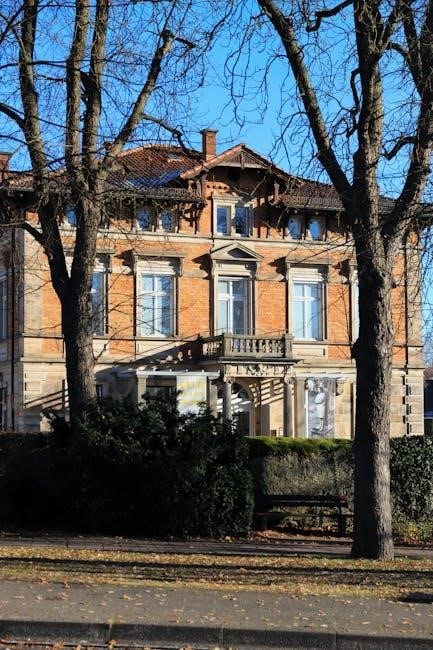
Beyond traditional Halloween haunts, haunted carnivals and Day of the Dead (Día de los Muertos) celebrations offer alternative avenues for exploring themes of mortality and the supernatural, resonating with the chilling atmosphere of the “Death House” PDF․
Haunted carnivals blend the festive energy of a fairground with macabre attractions, creating a disorienting and unsettling experience․ These events often feature grotesque displays, costumed performers, and thrilling rides designed to evoke fear and excitement․
Day of the Dead, a Mexican holiday honoring deceased loved ones, embraces a different approach․ While celebrating life, it acknowledges the presence of spirits through vibrant altars, colorful decorations, and lively processions․
Both traditions, though distinct, tap into humanity’s fascination with the afterlife and the unknown, mirroring the ghostly encounters within the “Death House”․ They provide culturally rich contexts for confronting mortality and exploring the boundaries between the living and the dead․
Local Haunted House Attractions
The popularity of professionally designed haunted house attractions demonstrates a widespread appetite for controlled fear and immersive horror experiences, echoing the intense atmosphere cultivated within the “Death House” PDF․
These attractions often employ elaborate sets, detailed costumes, and skilled actors to create realistic and terrifying scenarios․ They cater to a diverse audience seeking a thrilling escape from everyday life, offering a safe space to confront their fears․
Many local haunted houses draw inspiration from classic horror tropes, including haunted mansions, abandoned asylums, and sinister carnivals – themes that resonate with the gothic setting of the “Death House” module․
The success of these attractions highlights the enduring appeal of the haunted house genre and its ability to tap into primal anxieties․ They provide a tangible, interactive experience that complements the imaginative world-building of tabletop role-playing games like Dungeons & Dragons․
The Appeal of Visiting Haunted Locations
Haunted locations attract enthusiasts seeking genuine paranormal experiences, mirroring the chilling atmosphere of the “Death House” PDF and fueling a fascination with the unknown․
Ghost stories and horror genre lovers find these sites captivating, desiring to connect with the spectral realm and explore the darker side of history․
Ghost Stories and Horror Genre Enthusiasts
For those captivated by ghost stories and deeply immersed in the horror genre, visiting haunted locations represents the ultimate immersive experience, echoing the chilling narratives found within the “Death House” PDF․
The allure lies in the potential to transcend passive consumption and actively seek evidence of the supernatural, transforming from a spectator into a participant in a real-life horror story․
These enthusiasts are drawn to the historical weight and unsettling energy of places rumored to be haunted, believing that these locations serve as conduits to the other side․
The “Death House” PDF, with its detailed descriptions of spectral encounters and ominous atmosphere, perfectly encapsulates this desire for authentic, terrifying experiences, inspiring a quest for similar sensations in the real world․
It’s a pursuit fueled by curiosity, a thirst for the unknown, and a shared appreciation for the macabre, making haunted locations irresistible destinations for dedicated fans․
Lexington’s Historical Haunted Locations
While the “Death House” PDF provides a fictional landscape of terror, many believe that real-world locations possess their own unique spectral energies, and Lexington, Kentucky, is no exception․
As Lexington celebrates its 250th anniversary, local lore is rich with tales of haunted buildings and restless spirits, offering a tangible connection to the past—a past that, like the “Death House,” may hold dark secrets․
Exploring these historical sites allows enthusiasts to step back in time and contemplate the lives and tragedies that unfolded within their walls, mirroring the immersive experience offered by the module․
These locations become focal points for ghost stories and paranormal investigations, attracting those seeking to uncover evidence of the supernatural, much like adventurers delving into the depths of the “Death House․”
The enduring appeal lies in the blend of history, mystery, and the thrill of the unknown, creating a captivating experience for all who dare to explore․
Analyzing the Psychological Impact
The “Death House” PDF, and haunted locations generally, exploit our primal fears, offering a safe space to confront the macabre and explore the allure of the terrifying․
Suggestion and belief amplify these experiences, blurring the lines between reality and perception, creating a uniquely immersive and psychologically stimulating adventure․
Fear and the Allure of the Macabre
The “Death House” PDF, and the broader appeal of haunted houses, hinges on a complex relationship with fear․ It’s not simply about being frightened; it’s about a controlled experience of terror, a safe exploration of our deepest anxieties․
This fascination with the macabre stems from a fundamental human curiosity about mortality and the unknown․ Confronting simulated death and ghostly presences allows us to grapple with these concepts from a distance, providing a cathartic release․
The module’s encounters – animated armor, tragic ghosts, and lurking dangers – are designed to evoke primal fears, triggering physiological responses like increased heart rate and adrenaline․ However, within the context of a game, these responses become pleasurable, a thrilling challenge rather than genuine threat․
This controlled fear, coupled with the narrative elements of the haunted house, creates a uniquely engaging experience, tapping into our innate desire for storytelling and suspense․
The Role of Suggestion and Belief
The “Death House” PDF, like real-world haunted locations, heavily relies on the power of suggestion and the participants’ willingness to believe; The atmosphere, descriptions, and encounters are carefully crafted to prime players for a paranormal experience․
A creaking floorboard, a flickering light, or a whispered story can be enough to trigger a sense of unease, even without any concrete evidence of a haunting․ This is amplified in a role-playing game where players actively immerse themselves in the narrative․
Belief, even if initially tentative, enhances the experience․ Players who are open to the possibility of ghosts are more likely to interpret ambiguous stimuli as evidence of paranormal activity, heightening their fear and engagement․
The module’s success depends on the Dungeon Master’s ability to cultivate this atmosphere of suggestion and encourage players to suspend their disbelief, creating a truly immersive and terrifying adventure․

Resources and Further Exploration
Discover the “Death House” PDF online through various RPG platforms and websites․ Explore dedicated sites cataloging haunted locations and paranormal investigations for deeper insights․
Numerous books and documentaries delve into the world of ghost hunting, offering further exploration of the supernatural and the psychology of fear․
Finding the “Death House” PDF Online
Locating the “Death House” PDF is relatively straightforward in the digital age, with numerous online resources catering to tabletop role-playing game enthusiasts․ Several websites specialize in distributing classic Dungeons & Dragons modules, often offering both official and fan-made versions of the adventure․
DriveThruRPG is a prominent platform where you can typically purchase a digital copy of the module, ensuring you have a legitimate and high-quality version․ Additionally, online RPG communities and forums frequently share links and information regarding where to find the PDF, though caution is advised when downloading from unofficial sources to avoid potential malware․
A quick web search using keywords like “Death House PDF download” will yield a plethora of results, but always prioritize reputable sites to guarantee a safe and legal download․ Remember to respect copyright laws and support the creators of the content whenever possible․
Websites Dedicated to Haunted Locations
Numerous websites cater to those fascinated by paranormal activity and documented haunted locations, offering a wealth of information for enthusiasts seeking real-world counterparts to the “Death House”’s chilling atmosphere․ These platforms often feature user-submitted accounts, historical research, and photographic evidence of alleged hauntings․
Websites like HauntedPlaces;com and The Ghost Guide provide extensive databases of haunted sites across the globe, categorized by location and type of paranormal activity․ Others, such as ParanormalGuide․com, delve into the history and folklore surrounding specific locations, offering detailed narratives and investigative reports․
Exploring these resources can enhance the immersive experience of the “Death House” PDF, inspiring game masters and players alike with authentic details and chilling tales․ Remember to approach these accounts with a critical mind, appreciating them as compelling stories rather than definitive proof of the supernatural․
Books and Documentaries on Paranormal Investigation
Delving into the world of paranormal investigation through literature and film can significantly enrich the experience of running or playing through the “Death House” PDF, providing inspiration for atmospheric details and realistic ghost lore․ Numerous books explore the history of ghost hunting, methodologies for investigating hauntings, and documented cases of paranormal phenomena․
Notable titles include “Ghost Hunters: The Handbook” and “The Complete Book of Ghosts․” Documentaries like “Ghost Adventures” and “Most Haunted” offer visual explorations of purportedly haunted locations, showcasing investigation techniques and capturing alleged evidence of spectral activity․
These resources can help game masters create more believable and terrifying encounters within the “Death House,” while also offering players a deeper understanding of the cultural fascination with the supernatural and the enduring appeal of haunted house narratives․
The Enduring Legacy of the Haunted House
The “Death House” PDF, as a cornerstone of tabletop role-playing horror, exemplifies the enduring appeal of the haunted house trope, a narrative that continues to captivate audiences across various media․ From classic literature to modern cinema and gaming, the haunted house serves as a potent symbol of fear, mystery, and the unknown․

Its enduring legacy lies in its ability to tap into primal anxieties about mortality, the supernatural, and the hidden darkness within seemingly familiar spaces․ The module’s success, alongside the continued interest in real-world haunted locations, demonstrates a persistent human fascination with exploring the boundaries between life and death․
Ultimately, the “Death House” and its ilk remind us that the most terrifying monsters are often those that reside within our own imaginations․